A study on participation in device-based physical activity research has received the JMPB’s 2025 Distinguished Scholar Paper of the Year Award.
Published in the Journal for the Measurement of Physical Behaviour (JMPB), it was recognized for its contribution to understanding how selection bias may influence findings from wearable sensor studies.
According to Inge de Wolf, PhD candidate and first author of the study, receiving this award is very special: “Seeing this paper move from shortlist to winner is truly exciting, and as a first author and early-career researcher, it’s a meaningful recognition of my work.”
What the study examined
Using data from more than 2,700 participants in the LISS panel, the study explores who participates in device-based physical activity measurement, such as wearing a thigh-mounted research sensor (activPAL), and who already uses personal activity trackers like an Apple Watch or Fitbit.
A closer look at the results
Around half of the respondents were willing to wear an activity monitor. Findings showed that participation was higher among women, middle-aged individuals, higher educated participants, and those who are already more physically active. Lower participation was observed among people with chronic conditions and those with a first-generation Western migration background.
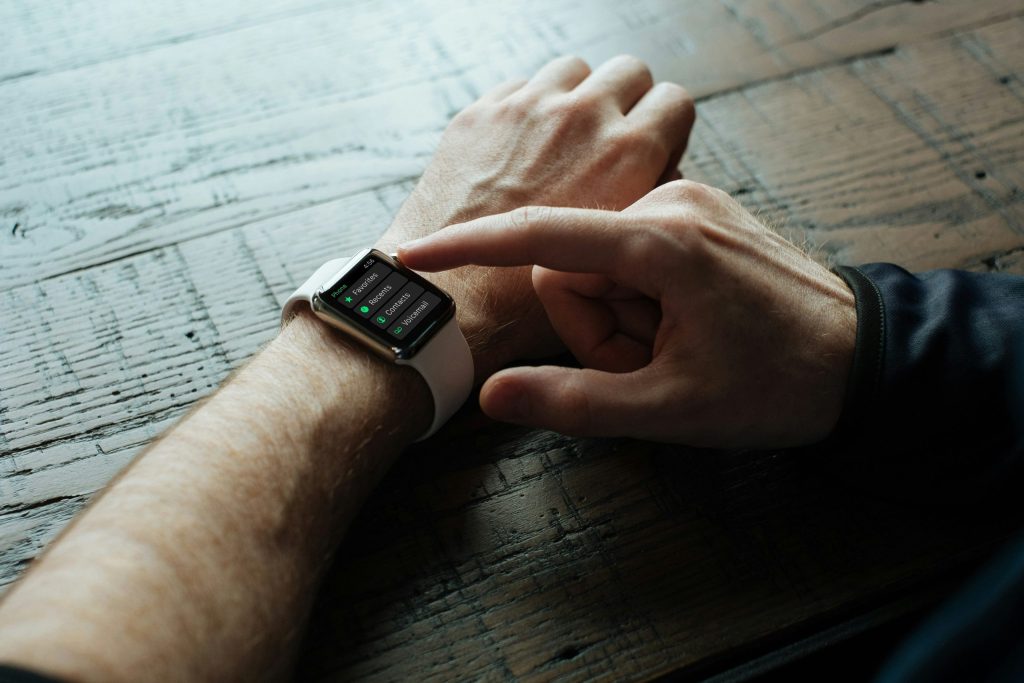
Results also showed that 20% of respondents own a personal activity tracker. These users were typically younger, higher educated, and in better health. Interestingly, people who are overweight were more likely to use these devices to monitor or improve their health.
Why this matters
These findings show that using activity trackers and accelerometers in research may mainly capture people who are already more active and health-conscious, which can lead to an overly optimistic picture of activity levels in the Dutch population. This matters because public health policies and programmes depend on a realistic understanding of people’s behaviour. To improve this, the researchers emphasize the need to include a broader range of participants, apply appropriate statistical adjustments, and combine device data with other methods such as questionnaires. Together, these steps help ensure a more accurate and representative picture of physical activity at the population level.
Read the paper here: https://doi.org/10.1123/jmpb.2025-0026